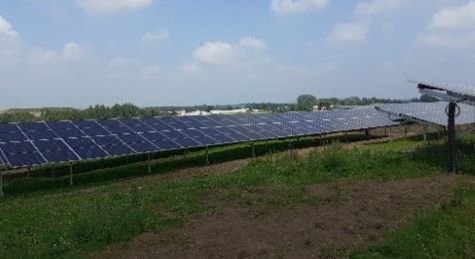
UK
7 MWp
Landfill solar
- Mono PERC bifacial
- Super-string inverter
- Fixed tilt
GreenEnco® provides independent technical due diligence for solar PV and battery energy storage systems (BESS). We support lenders, investors, independent power producers, developers and asset owners in assessing technical risks to inform financing, acquisition, refinancing and project delivery decisions. The assessment scope is tailored to the technology and project stage.
We assess the technical basis of a proposed project to help you understand whether it is ready to progress and which issues need further investigation. The review considers available site information, development constraints, proposed technology and key project assumptions. Our findings distinguish established information from unresolved questions, giving you a clearer basis for deciding where to focus further studies, engineering effort and development expenditure.
We independently review the proposed system design, equipment selection and supporting performance assumptions to identify risks that could affect project outcomes. For solar PV, this includes examining the basis of the energy-yield assessment and the assumptions used to account for losses and operating conditions. The review helps you understand how well the expected generation is supported and which uncertainties matter to the project.
We provide independent engineering advice to help owners and lenders understand technical progress, project risks and decisions requiring attention. The scope is tailored to the stakeholder and project stage, from reviewing design information to assessing construction progress and acceptance evidence. Our role is to make technical findings clear and actionable so that delivery and financing decisions are supported by relevant engineering evidence.
We review engineering, procurement and construction tender requirements and contractor submissions to help you compare bids on a consistent technical basis. The assessment identifies differences in scope, equipment, design assumptions and proposed delivery arrangements, together with exclusions or omissions that need clarification. This helps your team understand what each bid actually includes and resolve technical uncertainties before contractor selection.
We assess construction quality and review available inspection, testing and completion evidence against the agreed project requirements. Our work identifies defects, incomplete items and technical questions that could affect readiness for the relevant acceptance milestone. By documenting the issues that remain open, we help owners and project teams focus corrective work and make better-informed handover and acceptance decisions.
We review reported project progress and supporting documentation against the agreed payment milestones to support payment certification. The assessment considers whether the available evidence demonstrates completion of the relevant work and highlights discrepancies or outstanding requirements. This gives the parties responsible for payment a clearer technical basis for assessing milestone claims and resolving questions about progress.
We assess available project documentation and operational records to identify technical risks relevant to a proposed acquisition or refinancing. Depending on the asset and agreed scope, the review considers design, equipment condition, historical performance, maintenance information and unresolved technical issues. Our findings help you understand where further investigation or corrective work may be needed and how these matters could affect future asset performance.
Assess feasibility, technical assumptions and development risks.
Review designs, equipment selection and energy-yield assumptions.
Support tendering, technical schedules and supplier evaluation.
Monitor progress, quality, compliance and project acceptance.
Assess operating assets for acquisition, refinancing and long-term performance risks.
Selected projects where independent technical assessment supported confident investment and development decisions.
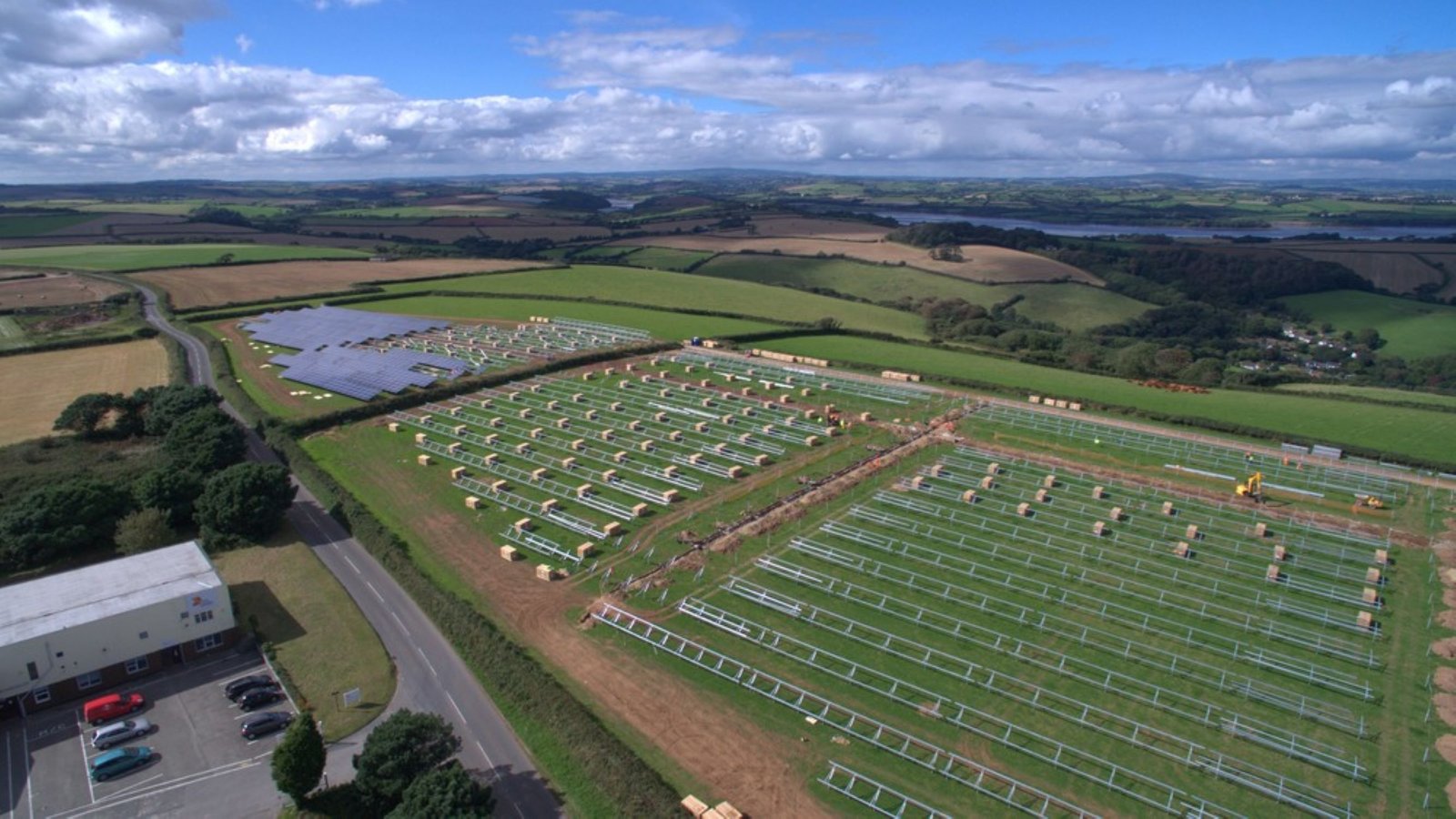
UK
7 MWp
Landfill solar
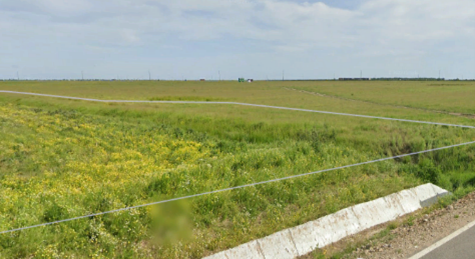
Romania
179 MWp
Ground-mounted
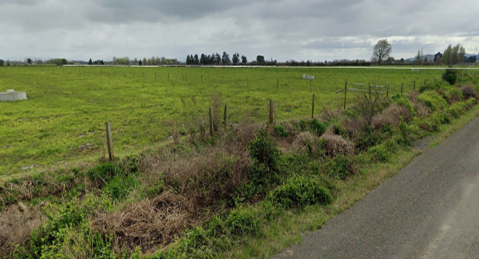
New Zealand
185 MWp
Ground-mounted
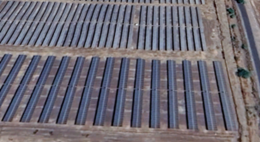
India
10 MWp
Ground-mounted
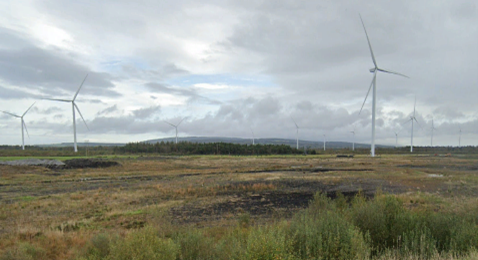
Ireland
34 MWp
Ground-mounted
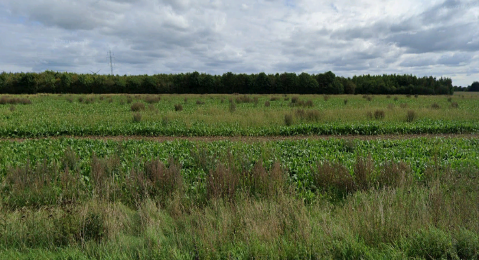
Denmark
49 MWp
Ground-mounted
Ready to move your project forward?
Speak with our solar pv & bess technical due diligence experts about your project objectives, technical risks and performance opportunities.
We examine the technical details behind a project so you know what you are taking on before committing to it. This includes reviewing the design, performance assumptions and available evidence to identify issues that could affect construction or future operation. We explain what we have found, why it matters and what needs to be resolved before you move forward.
We recommend starting before an acquisition, financing decision or major contract is finalised, while there is time to act on the findings. Early review gives your team room to request missing information, investigate concerns and discuss outstanding issues with the other parties. We shape the review around your decision, project stage and timetable.
We agree the scope with you based on the project and the questions you need answered. This can cover design, equipment, expected generation, grid connection information, technical contracts and construction or operating records. We check whether the information is consistent, challenge assumptions that need closer examination and highlight issues that could affect the project's delivery or performance.
Yes. We review how the asset has performed, its maintenance history and the available information on equipment condition. We look for recurring problems, unexplained generation losses and outstanding work that could affect future operation. For an acquisition or refinancing, this helps you understand the asset's technical position and the matters to address before completing the transaction.
We provide a report setting out our findings, the technical risks we have identified and the actions we recommend. We explain which issues need attention and where missing information prevents us from reaching a firm conclusion. This gives your team a practical basis for follow-up discussions with developers, contractors or sellers and for making the decision the review was commissioned to support.